- Opening hours by appointment
- +41-78 7 141415
- [email protected]


Quantitative EEG
Quantitative EEG (QEEG) - Understanding Your Brain
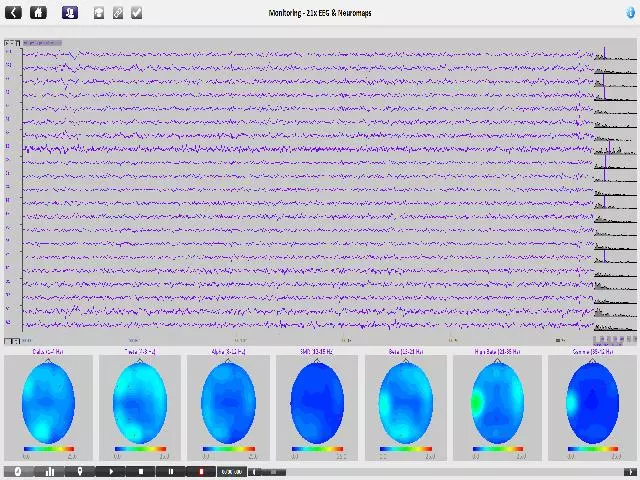
- QEEG is one of the most important assessment tools in modern neurotherapy and the basis for a customised neurofeedback protocol.
- It reveals which brain areas are over- or under-active, how networks function, and whether abnormalities such as paroxysmal activity are present.
- At the I-NFBF, we use a large internal database with thousands of assessments in combination with the NeuroGuide normative database.
What Is a QEEG?
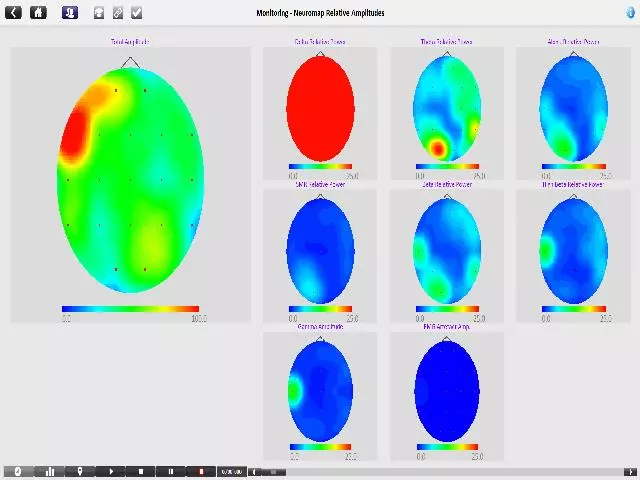
A QEEG records and analyses the electrical activity of your brain and compares it with an age-matched normative database (Z-scores). This allows activation patterns, network functions, paroxysmal activities, and cognitive performance profiles to be displayed precisely.
Procedure
| Step | What Happens |
|---|---|
| Preparation | A comfortable EEG cap is fitted and connected to the system |
| Recording | Recording with eyes closed and open, and if needed with tasks |
| Duration & tolerance | Approximately 20 minutes; pain-free, non-invasive, and also suitable for children |
What Does the QEEG Show?
- Activation patterns in over- or under-aroused regions.
- Network function and coherence.
- Paroxysmal activity as an indicator of increased excitability.
- Cognitive profiles such as attention, memory, and processing, supplemented by psychometric tests if needed.
From QEEG to the Treatment Plan
- Analysis and discussion of your QEEG results.
- Identification of your brain's strengths and weaknesses.
- Creation of an individual neurofeedback protocol based on QEEG, stress profile, case history, and self-assessment.
- Definition of realistic, measurable therapy goals and monitoring through follow-up QEEGs.
Please call us before your first session for a consultation. We will answer your questions and recommend the appropriate therapeutic steps. Then book your first appointment at [email protected] or Tel. +41 78 7 141 415.