- Opening hours by appointment
- +41-78 7 141415
- [email protected]


Research
Research and Evidence
Neuro- and Biofeedback - What the Evidence Shows
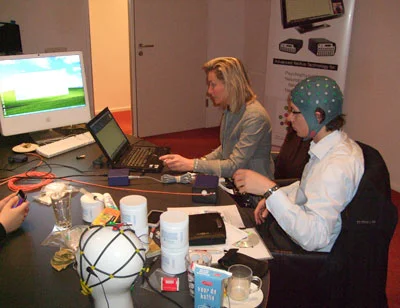
Neuro- and biofeedback are among the neurological therapies with the best-documented development trajectory: the number of randomised controlled trials, meta-analyses, and systematic reviews has been growing significantly for years. At the same time, demands on study design, blinding, and long-term follow-ups are increasing, and many recent studies now meet evidence standards that were uncommon 10-15 years ago.
Three points are central for contextualisation:
- There are indications with high evidence, including ADHD, epilepsy, certain anxiety and stress disorders, and HRV biofeedback for cardiovascular and substance-use disorders.
- For other areas, neuro-/biofeedback can be classified as probably or promisingly effective, including depression, PTSD, insomnia, and cognitive impairments.
- Evidence quality varies according to protocol, study design, blinding, and combination with other methods; best practice therefore remains a multimodal, diagnostics-guided approach.
Evidence Classification and Guidelines
The AAPB/ISNR classification of "Evidence-Based Practice in Biofeedback and Neurofeedback" (4th edition, 2023) classifies the evidence in five levels (Level 1-5).
| Evidence Level | Meaning | Selected Indications |
|---|---|---|
| Level 5 | Highest evidence ("Efficacious and specific") | ADHD, depression, panic disorder, asthma (HRV biofeedback) |
| Level 4 | Efficacious | Epilepsy (SMR/SCP), PTSD, stroke rehabilitation, essential hypertension |
| Level 3 | Probably efficacious | Autism spectrum disorder, sleep disorders, TBI, schizophrenia, concussion |
The American Academy of Pediatrics has classified neurofeedback for ADHD for several years as a Level 1 "Best Support" intervention, in the same highest category as established behavioural therapeutic approaches.
ADHD - The Best-Studied Indication
| Study | Journal / Design | n | Key Findings |
|---|---|---|---|
| Westwood et al. 2025 | JAMA Psychiatry, meta-analysis of 38 RCTs | 2472 | Significant improvements in inattention, impulsivity, and processing speed; effects visible even with blinded ratings; best results with standard protocols (Theta/Beta, SCP, SMR). |
| Van Doren et al. 2019 | European Child & Adolescent Psychiatry, meta-analysis of 10 RCTs | - | Long-term follow-ups (6-12 months) show stable improvements in inattention and impulsivity; unlike stimulants, effects do not dissipate after discontinuation. |
| Zhong et al. 2025 | Nature Scientific Reports, meta-analysis of 10 studies | 539 | Small to medium improvements in inhibition and working memory; effects persist 6-12 months after treatment end. |
PTSD, Trauma, and Anxiety Disorders
PTSD
| Study | Journal / Design | n | Key Findings |
|---|---|---|---|
| Berman et al. 2025 | Frontiers in Psychiatry, systematic review & meta-analysis (EEG neurofeedback) | 248 (9 RCTs) | Moderate to large effect sizes for PTSD symptom reduction; effects are stronger with longer treatment duration. |
| Voigt et al. 2024 | Frontiers in Psychiatry, meta-analysis of all NF modalities | 628 (17 studies) | Large effect sizes in favour of neurofeedback; high evidence quality (GRADE), low bias risk; effects tend to increase rather than decrease at follow-up. |
Anxiety and Stress
| Study | Journal / Design | n | Key Findings |
|---|---|---|---|
| Jing et al. 2025 | JMIR, RCT, neurofeedback-assisted mindfulness | 155 | Significant reduction in anxiety, depression, and fatigue; anxiety reduction remains stable at 3-month follow-up. |
Depression
| Study | Journal / Design | n | Key Findings |
|---|---|---|---|
| Misaki et al. 2025 | Molecular Psychiatry, RCT rtfMRI neurofeedback vs. control | 95 | Significant symptom reduction in the active group; no significant improvement in the control group, indicating specific efficacy. |
| Khaleghi et al. 2025 | Clinical Psychopharmacology & Neuroscience, systematic review (fMRI-NF) | 26 studies | fMRI-based neurofeedback is classified as a promising adjunctive therapy for treatment-resistant depression; large multicentre RCTs are still needed. |
Epilepsy and Neurological Disorders
| Study | Journal / Design | Key Findings |
|---|---|---|
| Tan et al. 2009 | Clinical EEG and Neuroscience, meta-analysis (SMR training) | SMR neurofeedback significantly reduces seizure frequency; 79% of patients show clinically relevant improvement. |
| Strehl et al. 2014 | Frontiers in Human Neuroscience, 10-year follow-up (SCP training) | Significant reduction in seizure frequency; effects remain stable almost 10 years after treatment without booster sessions. |
Summary:
- SMR and SCP neurofeedback reach the evidence level of "efficacious" (Level 4) for this indication.
- The long-term stability of effects is particularly remarkable — one of the strongest arguments for neuroplasticity-based interventions.
Cognitive Function & Dementia Prevention
| Study | Journal / Design | n | Key Findings |
|---|---|---|---|
| ACTIVE Study (Albert et al. 2026) | Alzheimer's & Dementia, RCT with 20-year follow-up | 2802 | Ten sessions plus booster sessions of visual speed training reduce dementia risk by approximately 25% after 20 years; memory and reasoning training show no comparable effect. |
Summary:
- The ACTIVE study impressively demonstrates that targeted cognitive training can have long-term structural consequences for dementia risk and cognitive reserve.
- Neurofeedback-based training that addresses processing speed, divided attention, and network stability can be understood as a "neurophysiological parallel strategy" and is specifically combined at the I-NFBF with IHHT and PBM.
HRV Biofeedback and Physical Indications
| Study | Focus | Key Findings |
|---|---|---|
| Eddie et al. 2025, JAMA Psychiatry | Substance use disorders | RCT (Phase 2): HRV biofeedback reduces substance use by 64% compared to control; negative affect and craving also decrease significantly. |
| Shah et al. 2025, JAMA Network Open | Coronary heart disease | HRV biofeedback reduces mental stress and improves HRV parameters in patients with coronary heart disease. |
| Hasuo et al. 2025, Frontiers in Sleep | Sleep disorders in cancer patients | Sleep efficiency rises and the proportion of patients needing sleep medication decreases after HRV biofeedback. |
| Balaji et al. 2025, Nature Scientific Reports | Global HRV cohort study | Analysis of 1.8 million HRV biofeedback sessions confirms coherence frequency around 0.10 Hz; positive emotions are associated with higher HRV coherence. |
Summary:
- HRV biofeedback has established itself as a highly relevant method for cardiovascular diseases, substance use disorders, sleep problems, and peak performance.
- For practice, this means: HRV training is not just "relaxation" but a measurable training of autonomic regulation with direct cardiovascular effects.
Global Disease Burden - Why Neuro-/Biofeedback Is Relevant
- More than 3.4 billion people, over 43% of the world's population, are affected by a neurological condition.
- Neurological disorders are now the leading cause of disease burden and disability worldwide.
- Since 1990, the disease burden from neurological conditions has increased substantially, especially in dementia.
- The WHO explicitly calls for investment in neurological care, workforce training, and research.
I-NFBF Position
- Neuro- and biofeedback are not replacement therapies for conventional medicine but evidence-based, regulated complementary therapeutic methods with high potential in prevention, rehabilitation, and long-term management.
- The institute continuously integrates current studies into teaching and clinical practice and aligns with international best-practice standards and checklists such as CRED-nf.
Quality, Safety, and Limits
The growing evidence base is accompanied by a more critical assessment of study quality and technology. Some important points:
- Consumer EEG and home neurofeedback: Reviews show that consumer EEG devices do not provide the signal quality needed for clinical neurofeedback and are highly susceptible to artefacts.
- Insufficient approvals: Even formally approved devices can prove ineffective in large RCTs.
- Side-effect risk with improper use: Misdirected protocols and insufficient supervision can temporarily worsen symptoms and underline the need for qualified training and QEEG-guided planning.
Consequences for Practice at the I-NFBF
- Exclusive use of medically certified devices (CE, FDA, Swissmedic) and QEEG-guided protocols.
- Training and supervision according to international standards (ISNR, AAPB, BCIA, IQCB) and alignment with the AAPB/ISNR evidence classification.
- Clear communication to patients: realistic goals, transparency about the evidence base, and integration into physician-led multimodal treatment concepts.
For further information about the research activities, please contact Dr Eva Otzen at [email protected].