- Opening hours by appointment
- +41-78 7 141415
- [email protected]


Why Does NF Work?
Why Bio- and Neurofeedback Have Lasting Effects
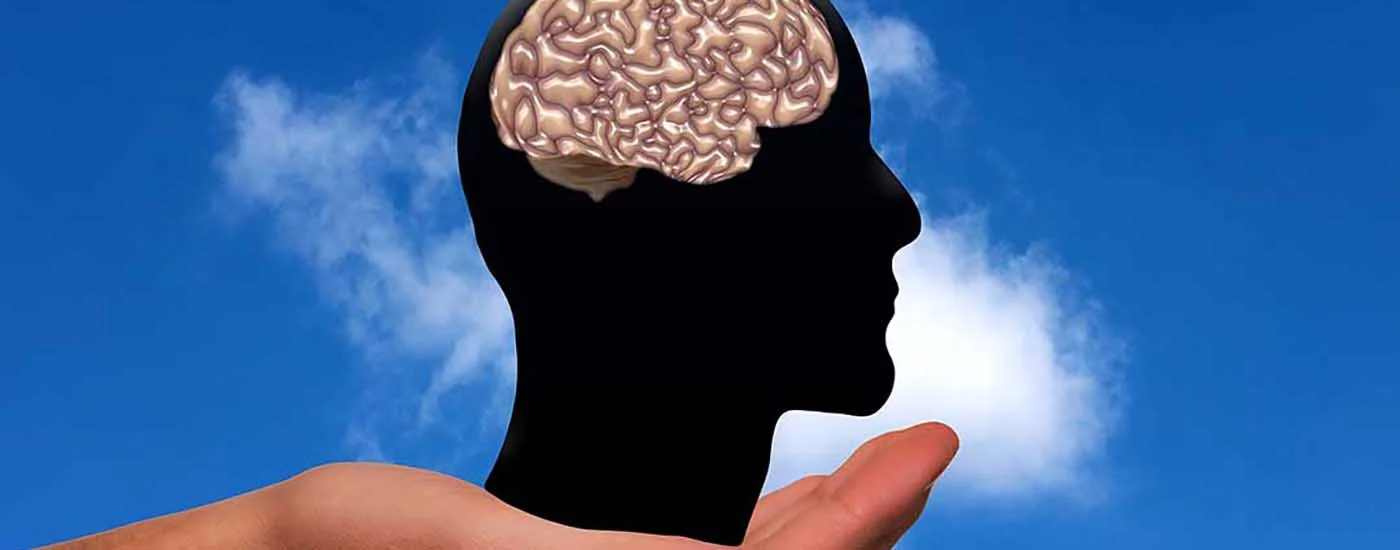
Bio- and neurofeedback utilise two central principles of modern neuroscience: operant conditioning (learning through feedback and success/reward) and neuroplasticity (the brain's ability to change throughout life). Through repeated training sessions, the nervous system forms new neural connections and anchors more efficient, healthier patterns. Meta-analyses show that these effects often remain stable beyond the end of treatment, in contrast to purely pharmacological interventions.
In Brief
- The system measures without intervening in the body.
- You, or rather your brain, receive immediate feedback about the quality of your self-regulation.
- Through repetition, your nervous system learns to prefer healthy patterns, with measurable, lasting effects in everyday life.
ADHD (children & adults)
What does the research show? Meta-analyses of dozens of RCTs show significant improvements in attention, impulse control, and processing speed; effects remain stable 6-12 months post-treatment, while medication effects dissipate after discontinuation.
Who is it for? Children, adolescents, and adults with ADHD/ADD who cannot tolerate medication, wish to supplement or reduce it, or for whom behavioural therapy alone is insufficient.
How do we use it at the I-NFBF? QEEG-guided standard protocols (Theta/Beta, SMR, SCP), combined with biofeedback (HRV, respiration), psychoeducation, and physician-led medication if applicable.
PTSD & trauma
What does the research show? Meta-analyses show moderate to large effect sizes for EEG neurofeedback, particularly for hyperarousal, intrusions, and sleep disturbances.
Who is it for? People with PTSD or complex trauma sequelae who only partially respond to classical psychotherapy.
How do we use it at the I-NFBF? Neurofeedback protocols for stabilising arousal level and sleep, combined with HRV biofeedback, mindfulness, and trauma-specific psychotherapy in cooperation with physicians.
Depression
What does the research show? RCTs, especially in fMRI neurofeedback, show significant symptom reduction, particularly in treatment-resistant courses; reviews classify neurofeedback as a promising adjunctive therapy.
Who is it for? Patients with unipolar depression, especially when medication or psychotherapy has had insufficient effect or when sleep and stress problems are pronounced.
How do we use it at the I-NFBF? EEG neurofeedback for regulating frontal activity, combined with HRV training, sleep regulation, psychoeducation, and psychotherapeutic treatment.
Epilepsy
What does the research show? SMR and SCP neurofeedback significantly reduce seizure frequency; long-term studies show stable effects over many years.
Who is it for? Patients with focal or generalised seizures who still have residual seizures despite medication.
How do we use it at the I-NFBF? Specific SMR and SCP protocols based on QEEG, in close collaboration with treating neurologists and under strict indication review.
Anxiety, stress, burnout
What does the research show? RCTs with neurofeedback-assisted mindfulness and HRV biofeedback show strong reductions in anxiety, stress, and fatigue; effects persist at follow-up.
Who is it for? People with generalised anxiety, panic, chronic stress, burnout, or psychosomatic complaints.
How do we use it at the I-NFBF? Combination of HRV biofeedback, EEG neurofeedback for arousal regulation, breathing and relaxation training, supplemented by hypnosis/deep relaxation and mindfulness.
Sleep Disorders
What does the research show? Studies show improvements in sleep efficiency and sleep quality through HRV biofeedback and neurofeedback; medication requirements can decrease.
Who is it for? People with difficulty falling asleep, staying asleep, or non-restorative sleep, including tumour, pain, and stress patients.
How do we use it at the I-NFBF? Neurofeedback for normalising sleep-related brainwaves, HRV training, breathing training, hypnosis/deep relaxation if appropriate, and sleep-medicine guidance.
Chronic Pain, Migraine
What does the research show? EMG and temperature biofeedback reduce muscle tension and attacks; neurofeedback complements analgesia and improves pain perception.
Who is it for? Patients with migraine, tension headache, fibromyalgia, and other chronic pain syndromes.
How do we use it at the I-NFBF? EMG and HRV biofeedback, neurofeedback for pain processing and stress networks, supplemented by hypnosis/deep relaxation, IHHT, and PBM depending on indication.
Long COVID, CFS, Fatigue
What does the research show? Initial studies indicate improvements in resilience, sleep, and autonomic regulation through HRV biofeedback and neurofeedback; larger studies are underway.
Who is it for? People with Long COVID, CFS, burnout, post-infectious fatigue, and brain fog.
How do we use it at the I-NFBF? Integrative programme of HRV training, neurofeedback for attention and cognitive clarity, IHHT cell training, and PBM, supplemented by gentle activation and sleep strategies.
Cognitive Impairment & Dementia Risk
What does the research show? Long-term studies on cognitive training show that targeted training over 10-20 hours can reduce dementia risk in the long term; neurofeedback builds on similar mechanisms.
Who is it for? Seniors with early cognitive impairment, familial dementia burden, or a wish for cognitive prevention.
How do we use it at the I-NFBF? QEEG-guided neurofeedback protocols to promote attention, processing speed, and network stability, combined with IHHT and PBM to support mitochondrial function.
Peak Performance (Sport, Leadership, Art)
What does the research show? Studies show performance improvements in reaction time, attention, stress regulation, and decision quality through EEG and HRV training.
Who is it for? Elite athletes, executives, pilots, artists and musicians, and students before examinations.
How do we use it at the I-NFBF? Individually tailored peak-performance programmes combining neurofeedback, HRV training, IHHT, PBM, and mental training such as mindfulness, hypnosis, and visualisation.