- Opening hours by appointment
- +41-78 7 141415
- [email protected]

Humanitarian NF/BF Projects
Humanitarian NF/BF Projects
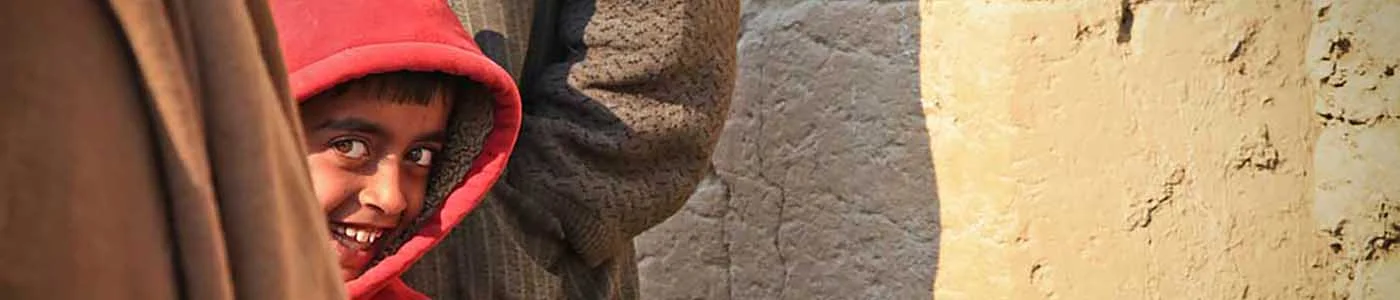
Prisons, refugee camps, war zones, and socially disadvantaged groups
A special concern of the I-NFBF is to highlight projects in which neurofeedback is used outside privileged settings, for example in prisons, refugee camps, or schools with extremely limited resources.
Prisons and forensic settings
| Project | Setting | Key findings / relevance |
|---|---|---|
| Cannon et al. 2025, NeuroRegulation (ISNR) | US correctional facility, 63 incarcerated people with substance-use disorders | 20 sessions of LORETA neurofeedback at the precuneus (alpha training): clear symptom reduction; 74.6% were not rearrested after release and 82.5% had no substance-related relapse. This is a promising model for relapse and addiction prevention in correctional settings. |
| Van der Schoot et al. 2024, Frontiers in Psychology | Forensic outpatient clinic, NL ("De Forensische Zorgspecialisten") | A 4-week neuromeditation training with EEG neurofeedback plus CBT for 8 forensic patients with impulse-control disorders showed good feasibility and high acceptance, an important proof of concept for larger efficacy studies. |
Refugees and war zones
| Project | Setting | Key findings / relevance |
|---|---|---|
| Askovic et al. 2025, Psychological Trauma & Frontiers in Psychiatry (STARTTS, University of Sydney) | Chronic, treatment-resistant PTSD in adult refugees | 71 participants; median 26 neurofeedback sessions over 7 months; 54% showed clinically significant improvement in PTSD, anxiety, and depression despite prior treatment failure, with additional gains in cognitive control (ERPs). |
| Lund University & Swedish Red Cross, 2014 | Refugees in Malmo | 21 participants (12 NF, 9 control); 8-10 EEG neurofeedback sessions led to significant improvements on 4 of 5 clinical scales for PTSD, depression, anxiety, and wellbeing in cooperation with the Red Cross. |
| STARTTS ongoing programmes | NSW, Australia | Includes neurofeedback for refugee children with TOVA measurement, QEEG/ERP comparison studies, and fMRI studies with torture survivors; the most comprehensive neurofeedback programme for refugees worldwide. |
Schools, slums, and socially disadvantaged children
| Project | Setting | Key findings / relevance |
|---|---|---|
| Mind-Full Project Nepal 2015-2018 | NGO school for vulnerable children in Pokhara, Nepal | Game-based EEG neurofeedback using a headset and tablet in a 14-week field study led to clearly improved self-regulation in play, class, the playground, and therapy, even among children without computer experience and sometimes without literacy. |
| Krell et al. 2023, Frontiers | Classroom-based neurofeedback | Neurofeedback integrated into ordinary classroom teaching significantly improved sustained attention, which was reflected in observed work behaviour. This is especially relevant for children from socioeconomically disadvantaged families with limited access to therapy. |
Why neurofeedback is especially suitable for disadvantaged groups
- Language-independent, including in contexts of illiteracy and language barriers.
- Non-retraumatizing, because reliving traumatic events is not required.
- Playful and child-friendly, especially when simple games and animations are used.
- Highly standardizable protocols, which helps maintain clinical quality even in difficult settings.
The I-NFBF documents such projects, including its own Lebanon aid project since 2009, on this page and uses them as case studies in training to sensitize students to global and social-medicine issues.